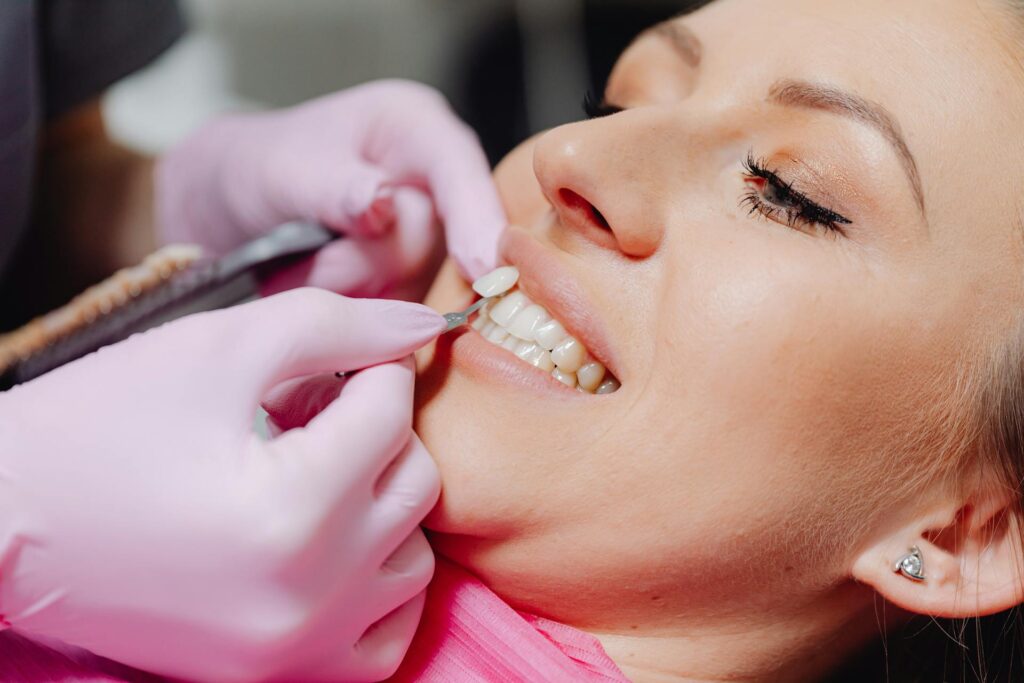

There was a time when celebrity smiles actually looked different from one another. Some had slightly crooked teeth, some had gaps, some had softer shades of white that still looked real on camera. Now, scrolling through Instagram or reality TV feels like seeing the same set of teeth repeated over and over again. Ultra-bright veneers. Perfectly square edges. Teeth so symmetrical they almost look computer-generated. The “Hollywood smile” used to be about enhancement. Lately, it has started looking more like duplication.
Influencers, podcast culture, HD video content, and front-facing cameras have all contributed to the rapid growth of cosmetic dentistry as one of the fastest-growing beauty fads on the internet. Bonding and veneers are no longer seen of as procedures only performed by singers or actresses. They are now marketed like beauty maintenance, somewhere between skincare and hair appointments. That shift has changed the conversation around teeth completely.
Instead of asking what suits a person’s face naturally, many cosmetic consultations now begin with screenshots. A celebrity smile becomes the reference point. The goal is often to copy the look exactly, even if the shape, size, or colour does not match the person’s facial structure at all. The result is what many people online have started calling “copy-paste teeth.” And once noticed, it becomes difficult to unseen.
The Smile That Looks Good Online but Strange in Real Life
One of the biggest reasons this trend exploded is simple: veneers photograph extremely well. Under studio lighting, bright white composite work looks polished and expensive. Filters soften everything further. On TikTok or Instagram, oversized veneers can appear flawless for a ten-second clip. Real life is less forgiving.
Dentists have increasingly spoken about cases where cosmetic work looks unnaturally bulky in person or affects speech patterns slightly. Some veneer sets appear too large for the mouth, making smiles look stiff or overly artificial during conversation. Others become noticeably opaque under daylight. That disconnect between “camera perfect” and “real-life natural” is becoming more obvious now, especially as social media audiences grow more critical of overdone cosmetic procedures in general.
Even celebrities have started receiving backlash for smiles that appear too uniform or too bright. What once looked luxurious is sometimes now described as “fake,” “plastic,” or “AI-generated.”
The Part Influencers Rarely Talk About
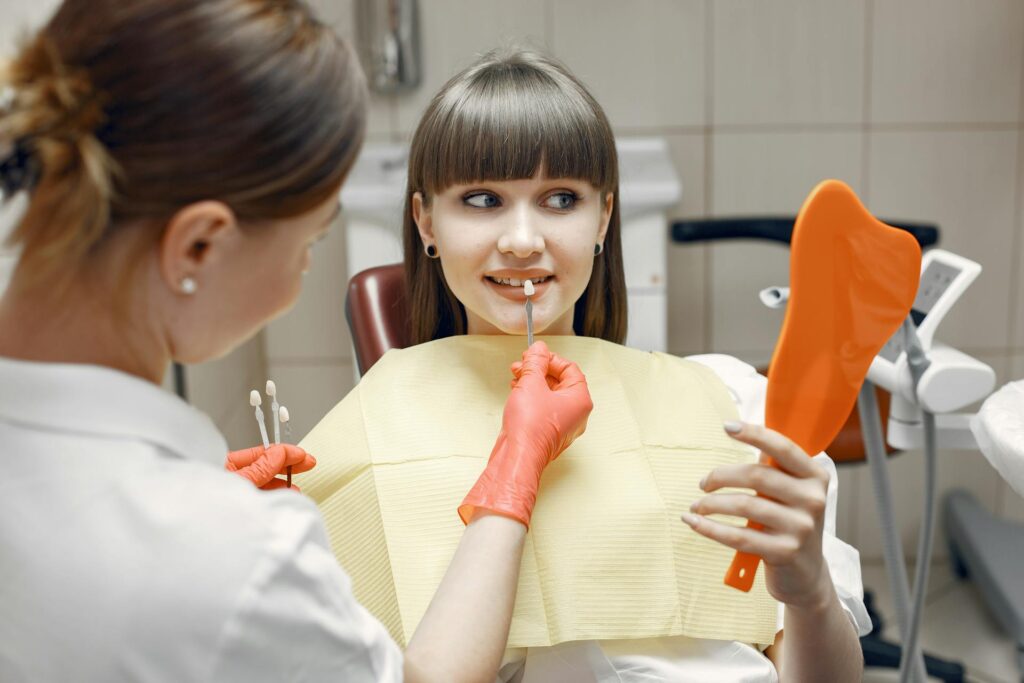
The maintenance side of veneers is rarely discussed honestly online. Most transformation videos end at the reveal moment, such as a bright smile, emotional reaction, and dramatic before-and-after clip. What usually gets left out is everything that comes later. Sensitivity. Gum irritation. Bite discomfort. Repairs.
Veneers are not simply removable covers placed over teeth. In many cases, natural enamel is shaved down before fitting them. Once that process happens, there is no real “going back” to untouched natural teeth. That detail alone surprises a lot of people.
Then comes the upkeep. Whitening maintenance, replacements, emergency repairs, grinding protection, and occasional adjustments all add to the long-term cost. A smile that looked “worth it” in a viral TikTok can quietly become an expensive commitment for years.
Dental clinics offering services such as emergency dentist Camberwell have also reported an increase in issues linked to cracked veneers, rushed cosmetic procedures, and poor aftercare habits after treatment.
According to the NHS, cosmetic dentistry demand has continued rising among younger adults heavily influenced by social media beauty trends.
Cosmetic Dentistry Isn’t the Problem; Copying Everyone Else Is
None of this means cosmetic dentistry itself is bad. Good dental work can genuinely improve confidence and restore damaged teeth beautifully when done properly. The issue is the growing pressure for everyone to have the exact same smile.
Natural teeth have texture. Slight imperfections. Small differences in shape and colour. Ironically, those details are usually what make a smile believable and attractive. Many UK dentists are now seeing a shift back toward softer, more natural-looking cosmetic work instead of the ultra-white veneer trend that dominated the last few years. That shift makes sense. Trends change quickly. Teeth do not.
A smile sits at the centre of every conversation, photograph, interview, and first impression. Treating it like a fast-moving beauty trend instead of a long-term health decision is where many people end up regretting things later.
Perfect teeth may dominate social media for now. But natural-looking smiles still tend to age better both aesthetically and personally.