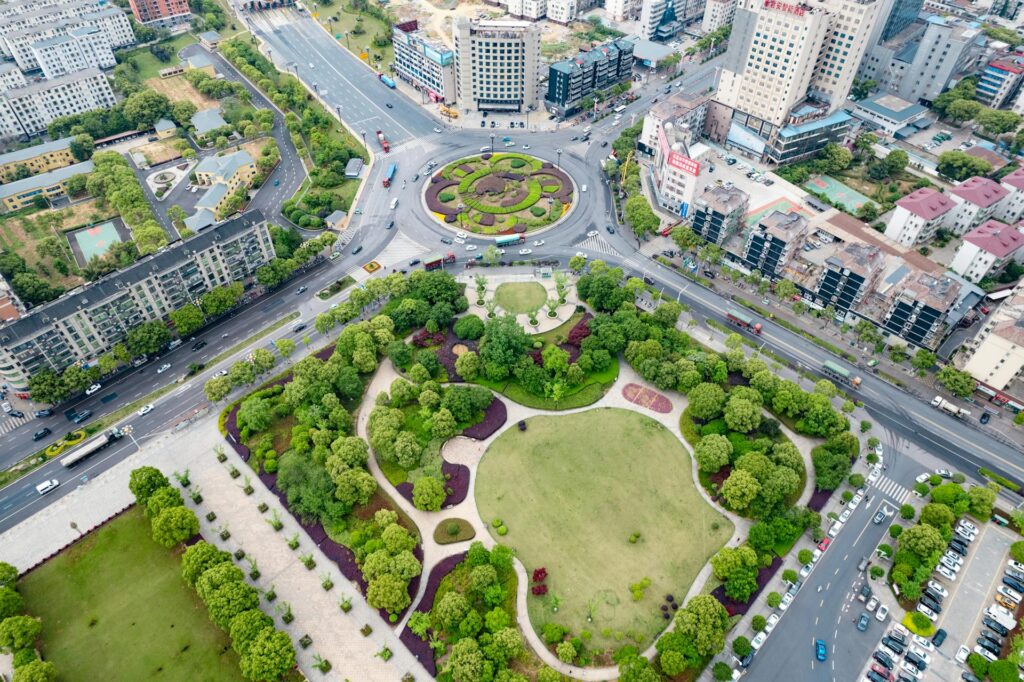

A few years ago, a local council spent millions transforming part of a town centre. New paving. New lighting. Fresh landscaping. The usual ribbon-cutting photographs followed. A few months later, most people were talking about something else entirely. The bins. Not because they were particularly interesting, but because there weren’t enough of them.
Around the benches, litter began to accumulate. On hectic weekends, overflowing trash became a regular sight. All of the costly improvements suddenly didn’t seem as stunning as they had on the architect’s plans. It served as a reminder that people experience places from the ground up, something that cities frequently discover the hard way. Not from planning documents. Not from promotional videos. From ordinary days. The walk to work. The trip to the supermarket. Taking children to the park. Waiting for a bus when it’s raining sideways. Those moments shape opinions far more than most city leaders probably care to admit.
The Difference Between Looking Good and Feeling Looked After
Most people can tell when an area is being maintained. The flowerbeds are tidy. The benches are clean. The pavements do not feel forgotten. Neglect works the same way. A broken sign here. Graffiti left untouched there. An overflowing bin that somehow stays overflowing for days. They create the feeling that nobody is paying attention.
Reliable waste collection services play a major role in maintaining public hygiene and urban appeal. Most residents rarely think about where rubbish goes after it leaves their home or workplace, but they notice very quickly when collection systems fall behind. That is one reason schools, housing developments, commercial properties, and public venues often rely on specialist environmental service providers. Good waste management rarely receives praise. Bad waste management becomes everybody’s problem.
Interestingly, some of the most appreciated improvements are also among the least noticeable. Faster removal of fly-tipped rubbish. Better-maintained public toilets. More frequent cleaning around transport hubs. Nobody posts excitedly about these changes on social media, yet people notice them all the same.
The Streets People Use and the Ones They Avoid
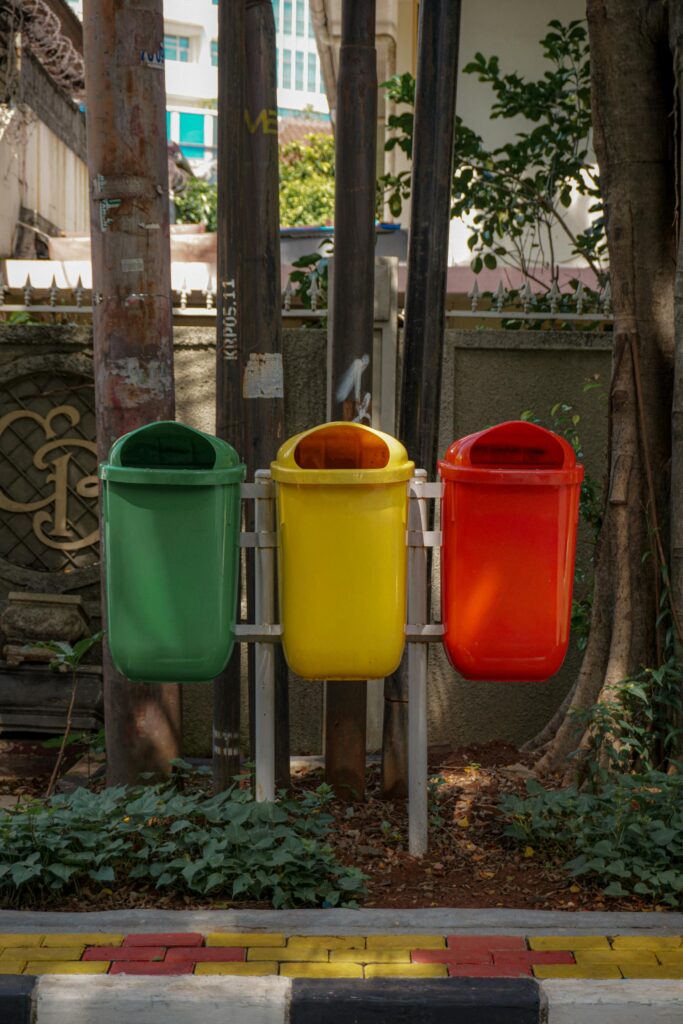
Most residents have a route they prefer. And usually another route they avoid. The strange part is that the difference between the two can be surprisingly small. Perhaps one street has better lighting. Perhaps there are more people around.
Urban planners have spent decades trying to understand this. Research highlighted by the UK’s Design Council suggests that thoughtful public design can encourage people to spend more time outdoors and feel more comfortable using shared spaces. But long before any research existed, people already understood the basics. Busy places feel safer. Active places feel safer. Places that look cared for feel safer.
A park full of dog walkers, families, and runners creates a very different atmosphere from a park that appears neglected, even if both occupy the same amount of land.
The Argument Nobody Wins About Trees
Every city seems to have one. A proposal to remove mature trees. Plans to reduce green space. A redevelopment project that promises improvements while quietly shrinking the amount of nature people actually use. The reaction is usually immediate. Residents who rarely agree on anything suddenly find common ground. That alone says something.
The World Health Organization continues to point to the benefits of access to green spaces for physical and mental wellbeing. Yet most people do not need scientific studies to understand why trees matter. Stand on a shaded street during a hot afternoon and then step onto a road surrounded by concrete. The difference speaks for itself.
Green spaces make cities feel less exhausting. They soften noise. They provide somewhere to pause. Sometimes they simply make a neighbourhood feel like a place designed for people rather than traffic.
What Residents Remember
Ask somebody about a city they loved living in and they probably will not mention drainage systems, maintenance budgets, or waste management contracts. Yet those things are quietly working in the background of almost every answer. The pleasant park. The clean streets. The comfortable walk home. The square where people gathered on sunny evenings. The cities people remember fondly are rarely perfect. They still have potholes. They still have delays. They still generate complaints. The difference is that problems tend not to become permanent features of daily life.
Things get fixed. Spaces get maintained. People continue using them. And over time, those ordinary decisions shape a city far more than any skyscraper ever could.