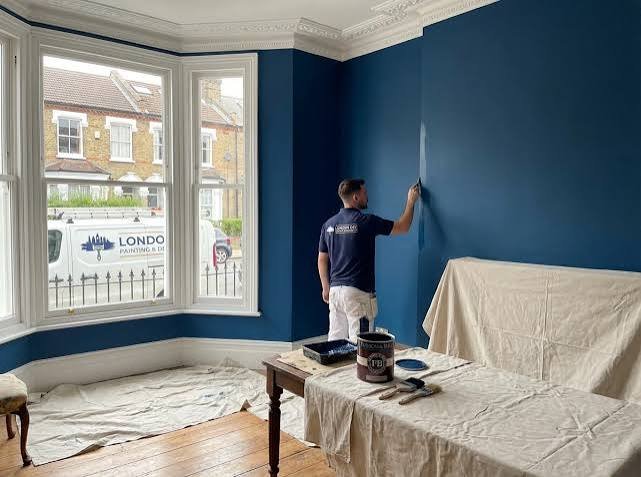

Sometimes a home does not need a new layout or a building project. It needs the hallway to feel welcoming again, the living room colours to work with the furniture, and the woodwork to look as though someone has paid attention to it.
Painting and decorating can change how those spaces feel without changing their footprint. A considered colour scheme brings rooms together. Carefully finished doors and skirting make the interior feel complete. Even keeping the same colour can make a noticeable difference when tired surfaces receive proper attention.
For London homeowners, the challenge is choosing an approach that suits the property and everyday life. A Victorian terrace, a converted flat and a modern apartment will each have their own character. The best starting point is to work out what you want to improve before deciding what to paint.
Start with the room you actually live in
It is easy to save photographs of beautiful interiors and overlook the things that make your own room different. Your sofa, flooring, ceiling height and windows all affect the result.
Before choosing colours, spend a little time noticing the space. Does it feel disconnected from the hallway? Is the woodwork looking tired beside otherwise presentable walls? Do you want a quieter background for artwork, or would you prefer the room itself to have more personality?
Write down two or three priorities. “Make the living room feel more coordinated” is a more useful brief than “make it look expensive”.
Keep the elements you already like in mind. Decorating around a favourite chair or a warm timber floor can give the project direction and help you avoid replacing things unnecessarily.
Use colour to give the home a sense of continuity
Rooms do not have to match to feel connected. You might repeat a similar undertone, use the same woodwork colour or carry a shade from one room into a smaller detail elsewhere.
For a home where several rooms are visible from the hallway, consider those views together. A colour that looks appealing in isolation may feel less comfortable beside the next room.
Try sample boards in the actual space. Move them beside curtains, flooring and furniture, and look at them during the day and under your evening lighting. A decision made under a shop’s lighting may feel different at home.
If you enjoy stronger colours, consider where you most want them. An alcove, a fitted cupboard or an entire bedroom could be the right place. You do not need to repeat the same treatment throughout the house.
Give existing architectural details some attention
Decorating can help you make more of what is already there: a panelled door, a staircase, a picture rail or an interesting ceiling.
Decide whether you want those features to blend into their surroundings or stand out. Painting a cupboard in a colour close to the walls can create a quieter look. A contrasting door or handrail can make a detail more prominent.
In an older property, discuss which features should be retained and how they will be prepared. Ask the decorator to flag damaged or unsuitable surfaces before work begins.
Modern homes benefit from the same attention. Neat junctions between walls, ceilings and joinery help a simple scheme look resolved. You may find that refreshing the existing details achieves more than adding another decorative feature.
Agree the preparation before the final finish
Colour is the part you see first, but preparation deserves a detailed conversation.
Ask the decorator to walk through the surfaces with you. Which areas need routine filling? Is there loose paint? Will wallpaper be removed? Are repairs around new joinery included?
A written scope should distinguish ordinary preparation from more extensive work. If stripping wallpaper reveals an uneven wall, for example, you need to know how additional repairs will be assessed and approved.
Where there is recurring staining, damp or another unresolved defect, ask what investigation is needed before repainting. Agreeing how that issue will be addressed is part of planning the job.
The aim is a finish appropriate to the condition and character of the property, with clear expectations about what the decorator will achieve.
Choose finishes around everyday use
The right appearance is only one part of choosing a paint. Think about how people use each surface.
A hallway has bags, coats and hands passing close to its walls. Cupboard doors receive regular handling. A quiet bedroom has different demands.
Ask the decorator which products suit those uses, what preparation they require and how the finished surfaces should be maintained. Discuss walls and woodwork separately rather than assuming one product suits everything.
If you are choosing between matt, eggshell, satin or gloss finishes, look at samples and the specific product information. Names describe an appearance, but they do not tell you everything about suitability.
Keep a record of the colour, product and finish used in each room. It is a small administrative step that makes future maintenance easier.
Plan the work around your household
A decorating project is easier to manage when the practical arrangements are agreed early.
Explain whether you work from home, which rooms must remain accessible and whether there are deadlines such as a move or furniture delivery. Ask how the team proposes to sequence the rooms.
For a London flat, check building working hours, shared access and arrangements for deliveries. Discuss parking and any access costs when requesting the quotation.
Before the start date, agree:
- Who moves larger furniture and takes down curtains or wall decorations.
- How flooring, furniture and fittings will be protected.
- Where tools and materials will be stored.
- What daily tidying includes.
- Who your main contact will be.
- When each space can be used again, following the product guidance.
You may prefer to complete one area before moving to the next. Ask how that choice affects the programme and total price.
Consider the exterior as part of the same project
Your front door and entrance set the tone before anyone steps inside. If the exterior needs attention, consider how it relates to the interior scheme.
That does not mean using identical colours. You might choose a front-door colour that complements the brickwork and then echo it in a small hallway detail.
Exterior decoration needs its own assessment. Ask about the existing surface, necessary repairs, suitable coatings, access and weather-dependent scheduling. Where permissions or building restrictions may apply, check them before commissioning a change.
Price the exterior scope separately so you can decide whether to complete it alongside the interior or as a later phase.
Know what professional help should include
A useful decorating service begins with understanding your brief and explaining the proposed work. Ask to see examples of comparable projects, particularly where your home has detailed woodwork or awkward spaces.
Homeowners exploring Nemo Group UK’s painting and decorating services in London can discuss interior and exterior painting, woodwork and trim. Its published process covers inspection, preparation and protection, application, and a final check.
Whichever scope you choose, request a quotation that identifies the surfaces, preparation, materials, exclusions and payment stages. Confirm how changes will be agreed.
At handover, walk through the work together and record any remaining touch-ups. Clear communication matters from the first conversation to the final inspection.
Make the transformation work for your budget
You do not have to decorate the whole home at once. Start with the spaces you use most or the areas that feel most in need of attention.
If the quotation is above your budget, ask about reducing the number of rooms or postponing optional decorative treatments. Understand the preparation included before changing that part of the scope.
Avoid treating a fresh coat of paint as a guaranteed increase in property value. Its most immediate benefit is the improvement you see and use: a room that feels cared for, a more consistent scheme and surfaces finished to the agreed standard.
Frequently asked questions
How do I choose colours for a London flat?
Start with the fixed elements, such as flooring and fitted furniture, and test samples in the rooms themselves. Consider how adjoining spaces look together and check colours in daylight and evening lighting.
How long will professional decorating take?
The scope, surface condition, access and products determine the programme. Ask for a schedule based on your property, including preparation and the required time between stages.
Can I keep my existing furniture and still change the look?
Yes. Use the furniture as a starting point for the colour scheme. Updating the surrounding walls, ceiling and woodwork can give existing pieces a different setting.
What should I provide when asking for a quote?
Share your location, photographs, the rooms and surfaces involved, any known damage and your preferred dates. Explain whether materials and furniture moving should be included.
A successful decorating project makes the home feel more like yours. Start with the way you use the rooms, choose colours in the space itself and agree the details of the work. Those decisions give the final finish a clear purpose.