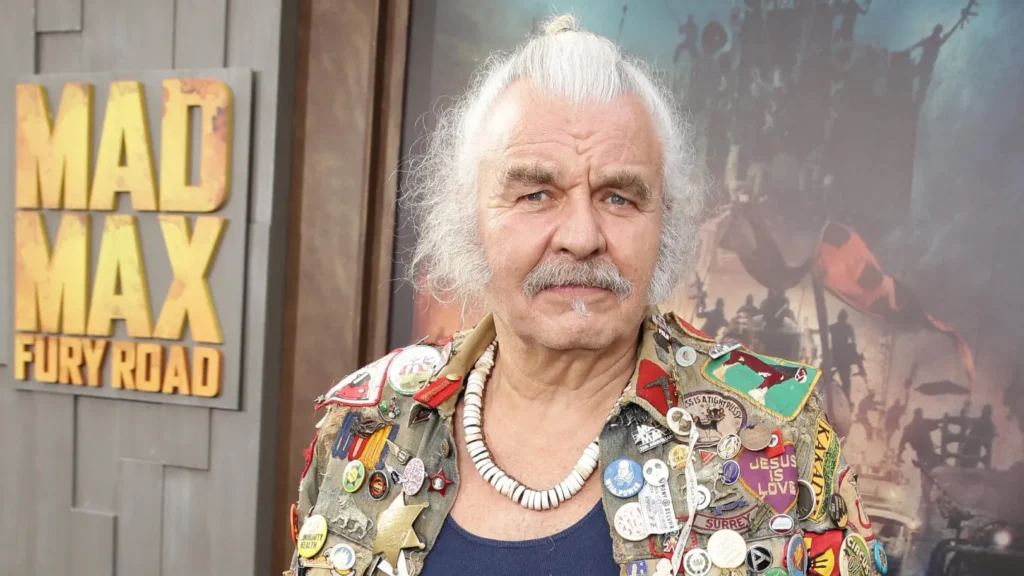

Some actors are remembered for their range, others for their charm. A rarer few are remembered for presence alone—the ability to dominate a frame or a stage without excess. Hugh Keays-Byrne belonged to that final category. His performances carried weight, often unsettling, sometimes magnetic, always deliberate. Long after the credits rolled, his characters lingered, etched into cultural memory.
Born far from the desert worlds he would later help define on screen, he built a career that spanned continents, mediums, and generations. His work reveals a commitment to craft over comfort, to meaning over visibility. Understanding his legacy requires attention not only to the roles he played, but to the philosophy behind them.
Hugh Keays-Byrne and the Art of Controlled Power
The fascination surrounding Hugh Keays-Byrne rests on how he transformed intensity into structure. Power, in his performances, was never chaotic. It was measured, shaped, and purposeful. Whether commanding silence or unleashing fury, he understood restraint as deeply as excess.
This balance separated him from caricature. Even in heightened worlds, his characters felt grounded in intent. That grounding is what made them enduring.
Early Life and Foundations
Raised in environments that valued both discipline and expression, his early years laid the groundwork for a life in performance. Exposure to literature and theater shaped an appreciation for language and movement. These foundations would later inform a distinctive acting style rooted in clarity.
Rather than rushing toward fame, he focused on learning. Technique mattered. Understanding character psychology mattered more. This patient approach defined the trajectory that followed.
Theater as a Crucible
The stage was an essential training ground. Live performance demands commitment and precision. There are no edits, no second takes. This environment sharpened instincts and built confidence in presence.
Theater also cultivated respect for collaboration. Ensemble work reinforced the idea that power on stage emerges from interaction, not domination.
Breaking Through on Screen
The transition from stage to film expanded the scale of his work without diluting its intensity. His screen presence translated effortlessly, filling wide frames with authority. Early film roles demonstrated a willingness to embrace risk, often portraying figures who embodied threat rather than comfort.
Audiences did not simply watch these characters; they felt them. That visceral response became a signature.
Crafting Memorable Antagonists
One reason Hugh Keays-Byrne remains iconic is his approach to antagonism. Villains, in his hands, were not empty obstacles. They were expressions of belief systems, however warped.
He avoided simplification. Each movement, pause, and vocal choice served a psychological purpose. This depth elevated genre storytelling into something more resonant.
Physicality and Voice
Physical control played a central role. Posture conveyed dominance. Stillness communicated menace. His voice, often calm before erupting, added layers of unpredictability.
These tools were never overused. Economy of motion ensured that when action arrived, it mattered.
Cultural Impact and Reinvention
Decades into his career, Hugh Keays-Byrne achieved a rare feat: reinvention without erasure. Returning to the cinematic universe that first introduced him to global audiences, he embodied a different kind of authority, one shaped by age and experience.
This evolution demonstrated adaptability without compromise. He did not chase relevance; relevance followed naturally from commitment.
Embracing Mythic Storytelling
Later roles leaned into mythic structures. Characters became symbols as much as individuals. This approach aligned perfectly with his strengths, allowing performance to operate on both emotional and archetypal levels.
In these spaces, subtlety coexisted with spectacle. His work anchored fantastical worlds in human intention.
Collaboration Across Generations
Working alongside younger performers highlighted generosity. He shared space rather than consumed it. This balance enriched scenes and reinforced the collaborative nature of filmmaking.
Such interactions extended influence beyond the screen, shaping how future actors approached presence and restraint.
Values Beyond Performance
Away from cameras, Hugh Keays-Byrne was guided by principles that mirrored his work: conviction, curiosity, and responsibility. He believed art carried social weight and that artists had obligations beyond entertainment.
This belief informed choices throughout his life, from role selection to public engagement.
Advocacy and Awareness
He was known for supporting humanitarian and environmental causes. These commitments were not performative. They reflected a worldview that valued long-term impact over short-term acclaim.
By aligning personal values with professional life, he demonstrated coherence rarely achieved in public careers.
Integrity as a Career Strategy
Integrity shaped longevity. Rather than accepting roles that conflicted with his principles, he waited. This patience preserved credibility and depth.
Audiences sensed authenticity. That trust strengthened the bond between performer and viewer.
Influence on Genre and Performance
The ripple effect of Hugh Keays-Byrne extends through contemporary cinema. His approach to character has become a reference point for actors seeking to balance intensity with control.
Genre storytelling, often dismissed as superficial, gained legitimacy through such performances. He proved that depth and spectacle are not opposites.
Redefining Screen Villainy
Villains after him became quieter, more deliberate. Excess gave way to intention. This shift owes much to his example.
By humanizing threat without excusing it, he raised expectations for antagonistic roles.
Teaching Through Example
Though not a formal teacher, his work served as instruction. Aspiring actors studied his performances for lessons in timing, presence, and commitment.
Learning occurred through observation, a testament to clarity of craft.
Legacy and Lasting Resonance
The true measure of a career lies in what remains when activity ceases. In this sense, Hugh Keays-Byrne endures. His characters continue to be discussed, analyzed, and revisited.
Legacy is not about volume but about imprint. He left a clear one.
Memory and Meaning
Audiences remember not just scenes, but feelings. Unease. Awe. Reflection. These emotional traces keep performances alive.
Such resonance ensures relevance beyond generational cycles.
A Standard of Excellence
Excellence, in his case, was not perfection but intention. Every choice served a purpose. This standard challenges future performers to think deeply about their craft.
In doing so, his influence persists.
Conclusion
A life in art is measured by sincerity and impact. Hugh Keays-Byrne exemplified both. Through disciplined craft, ethical clarity, and fearless presence, he shaped characters that transcended genre and era. His work reminds us that power on screen need not be loud to be lasting. It must simply be true.
FAQs
Who was Hugh Keays-Byrne best known for portraying?
Hugh Keays-Byrne was widely recognized for his intense and commanding performances, particularly in roles that required authority, menace, and psychological depth.
What made Hugh Keays-Byrne’s acting style unique?
His acting was defined by controlled intensity, physical precision, and a deep understanding of character motivation, allowing him to convey power without excess.
Did Hugh Keays-Byrne work in theatre as well as film?
Yes, theatre played a major role in shaping his craft, helping him develop discipline, presence, and respect for ensemble performance.
Was Hugh Keays-Byrne involved in causes outside acting?
He was known for supporting humanitarian and environmental causes, reflecting a strong sense of social responsibility beyond his artistic work.
Why does Hugh Keays-Byrne’s legacy remain influential today?
His performances set a high standard for character-driven storytelling, especially in genre cinema, and continue to influence actors who value depth, restraint, and authenticity.